Leantycoon
Loading...
Loading...
In Lean manufacturing and service systems, Kanban is one of the most effective tools for achieving smooth workflow, flexibility, and continuous improvement. It helps teams visualize work, limit overload, and focus on just-in-time (JIT) production — producing only what's needed, when it's needed.
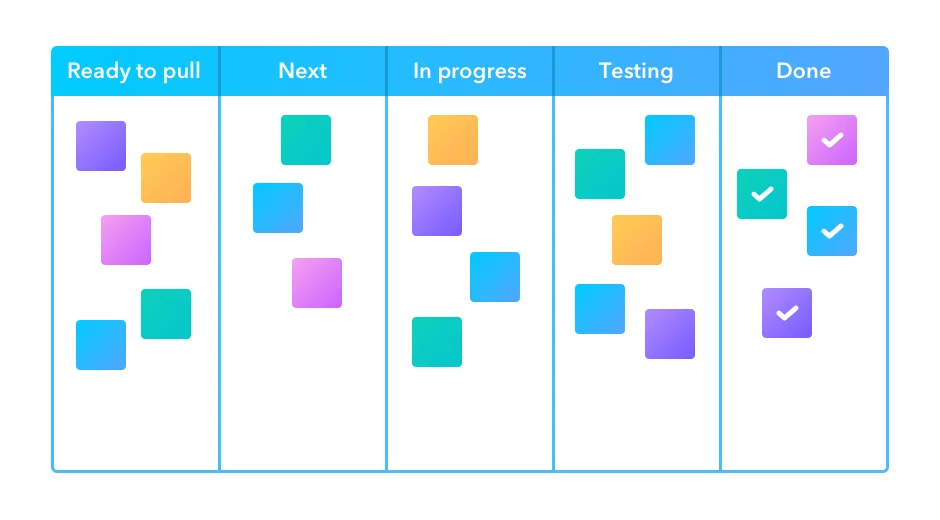
The word "Kanban" means "visual signal" or "card" in Japanese. In Lean systems, it is a visual scheduling method that controls the flow of materials and information through a process.
Each Kanban card — whether physical or digital — represents a task or product, signaling when new work should begin. This prevents overproduction and maintains steady operational flow.
Kanban operates on a pull system — meaning work is triggered by actual demand rather than forecasted assumptions.
When a product is consumed, a Kanban signal initiates replenishment, keeping inventory low and processes responsive.
Displays stages (To Do → In Progress → Done)
Represent work items and track progress
Restrict work-in-progress to maintain smooth flow
Regular reviews to eliminate bottlenecks
Kanban is more than a board of cards — it is a mindset of flow, flexibility, and focus. By visualizing work, limiting WIP, and continuously improving, teams can achieve sustainable efficiency and deliver greater value to customers.
"When you can see the flow, you can improve the flow — that's the essence of Kanban."