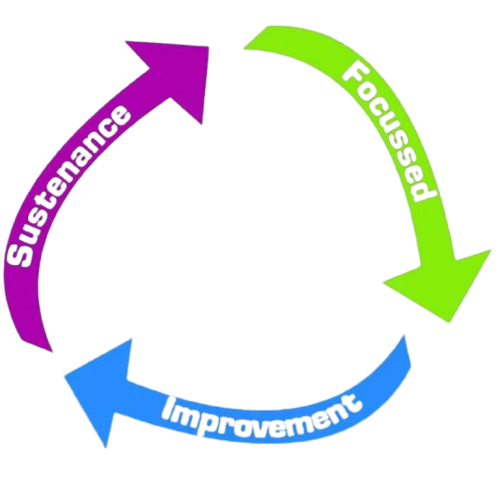
Major Elements of a Housekeeping Program in an Organization
An effective housekeeping program is essential for maintaining a safe, productive, and organized workplace. Good housekeeping is not just about cleanliness — it directly impacts safety, efficiency, quality, and employee morale.
1. Maintenance of Buildings and Equipment
Proper maintenance ensures that buildings, machines, and assets remain in safe and efficient working condition. Damaged doors, broken windows, defective plumbing, or uneven floors create unsafe environments and reduce workplace morale.
- Regular inspection and repair of machines and tools
- Maintenance of sanitary facilities
- Periodic painting and structural upkeep
- Immediate replacement of damaged items
2. Dust and Dirt Removal
Dust accumulation affects both safety and equipment life. Industrial vacuum systems and proper ventilation must be used instead of compressed air.
- Use vacuum cleaners (HEPA filters for hazardous dust)
- Dampen floors before sweeping to reduce airborne particles
- Regular manual cleaning of shelves, pipes, and fixtures
- Avoid using compressed air for dust removal
3. Worker Facilities
Clean and well-maintained worker facilities improve hygiene and prevent contamination.
- Clean washrooms and lockers
- Adequate soap, towels, and disinfectants
- Showers and changing rooms for hazardous workplaces
- Separate storage for work and personal clothing
4. Surface Cleaning and Maintenance
Poor floor and wall conditions are major causes of workplace incidents.
- Immediate cleanup of oil and liquid spills
- Removal of chips, shavings, and dust accumulation
- Anti-slip flooring in critical areas
- Use contrasting colors to highlight hazards
5. Aisles and Stairways
- Maintain clear, unobstructed pathways
- Proper lighting for safety
- Use warning signs and mirrors in blind corners
- Avoid using aisles for storage
6. Spill Control
- Prevent leaks through regular maintenance
- Use drip pans and guards
- Clean spills immediately
- Dispose absorbents safely
7. Tools and Equipment Management
- Provide designated storage with labels
- Return tools after use
- Regular inspection and repair
- Remove damaged tools from service
8. Waste Disposal
- Regular scrap collection and sorting
- Separate recyclable materials
- Clearly labelled waste containers
- Place scrap bins near production areas
9. Storage Management
- Store materials without blocking exits or fire equipment
- Maintain required clearance under sprinkler systems
- Stack materials securely
- Store hazardous materials in approved containers
- Follow fire and occupational safety regulations
Conclusion
A structured housekeeping program improves safety, reduces incidents, enhances productivity, and supports lean implementation. Organizations that invest in housekeeping build stronger operational discipline and long-term efficiency.